
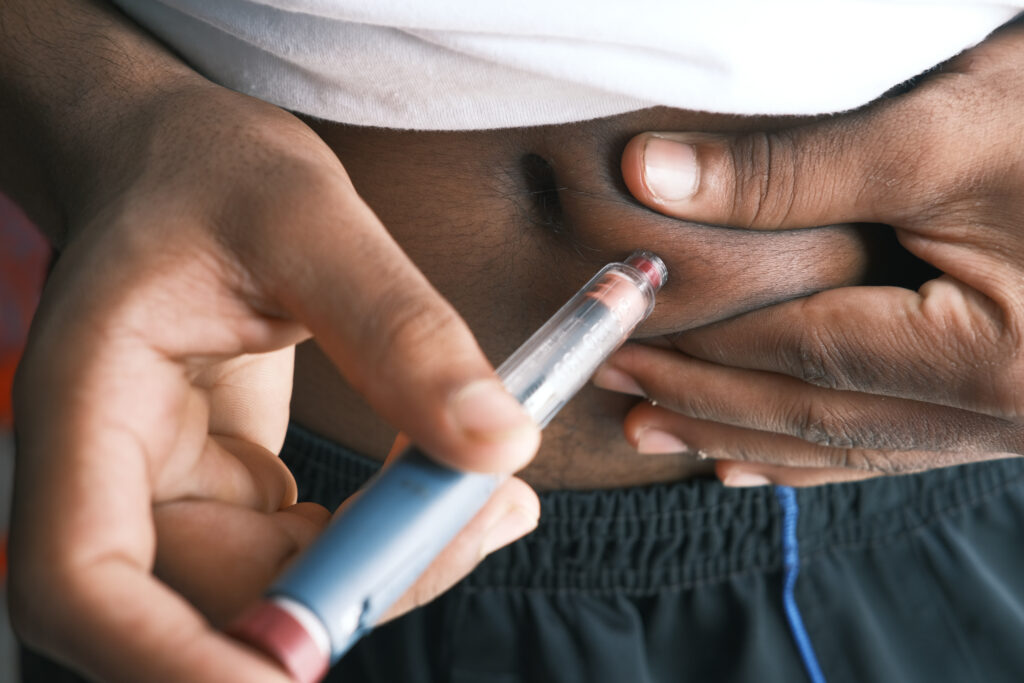
Your metabolic health plays a crucial role in how your body uses energy, manages blood sugar, and maintains overall well-being. While many people focus only on glucose levels, insulin is just as important. The Fasting Insulin Test helps uncover how efficiently your body is regulating blood sugar and whether there are early signs of imbalance.
Diagnostic centers like DK Diagnostics provide accurate and reliable testing to help you understand your metabolic health better.
What Is a Fasting Insulin Test?
The Fasting Insulin Test is a blood test that measures the amount of insulin in your body after fasting for 8–10 hours. Insulin is a hormone responsible for helping glucose enter your cells to be used as energy.
This test helps determine how well your body is responding to insulin and whether your metabolism is functioning properly.
Why Is the Fasting Insulin Test Important?
Most people only check blood sugar levels, but insulin levels can reveal deeper insights into your health.
Detects Insulin Resistance Early
One of the main uses of this test is to identify Insulin Resistance, a condition where the body does not respond properly to insulin.
Helps Prevent Diabetes
Early detection of insulin imbalance can help prevent Type 2 Diabetes.
Supports Weight and Metabolic Health
Abnormal insulin levels are often linked to weight gain and difficulty losing weight.
What Does the Test Reveal?
The fasting insulin test gives important clues about your metabolic condition.
- Normal Levels: Indicate healthy insulin function
- High Levels: Suggest insulin resistance or risk of diabetes
- Low Levels: May indicate issues with insulin production
Doctors often interpret these results along with glucose levels for a complete picture.
Who Should Consider This Test?
You may benefit from a fasting insulin test if you:
- Have a family history of diabetes
- Are overweight or obese
- Experience fatigue or sugar cravings
- Have difficulty losing weight
- Have been diagnosed with PCOD or metabolic disorders
Early testing can help you take preventive steps.
Symptoms of Insulin Imbalance
Insulin resistance often develops silently, but some signs may include:
- Increased hunger
- Fatigue
- Weight gain, especially around the abdomen
- Dark patches on the skin (especially neck or underarms)
- Difficulty managing blood sugar
Recognizing these signs early can help avoid serious health issues.
How Is the Test Performed?
The test is simple and requires a blood sample after fasting for several hours. The sample is analyzed in a laboratory to measure insulin levels.
It is a quick and minimally invasive procedure, usually completed within minutes.
Benefits of the Fasting Insulin Test
Early Risk Detection
Identifies metabolic issues before they become serious.
Better Health Management
Helps doctors create personalized treatment and lifestyle plans.
Preventive Care
Supports long-term health by detecting problems early.
Tips to Improve Insulin Sensitivity
- Follow a balanced, low-sugar diet
- Exercise regularly
- Maintain a healthy weight
- Reduce processed food intake
- Get regular health checkups
Small lifestyle changes can significantly improve insulin function.
Conclusion
The Fasting Insulin Test is a powerful tool for understanding your metabolic health beyond just blood sugar levels. It helps detect early signs of insulin resistance and supports prevention of chronic conditions like diabetes.
Taking proactive steps through regular testing and healthy habits can help you maintain better energy, weight, and overall well-being.