
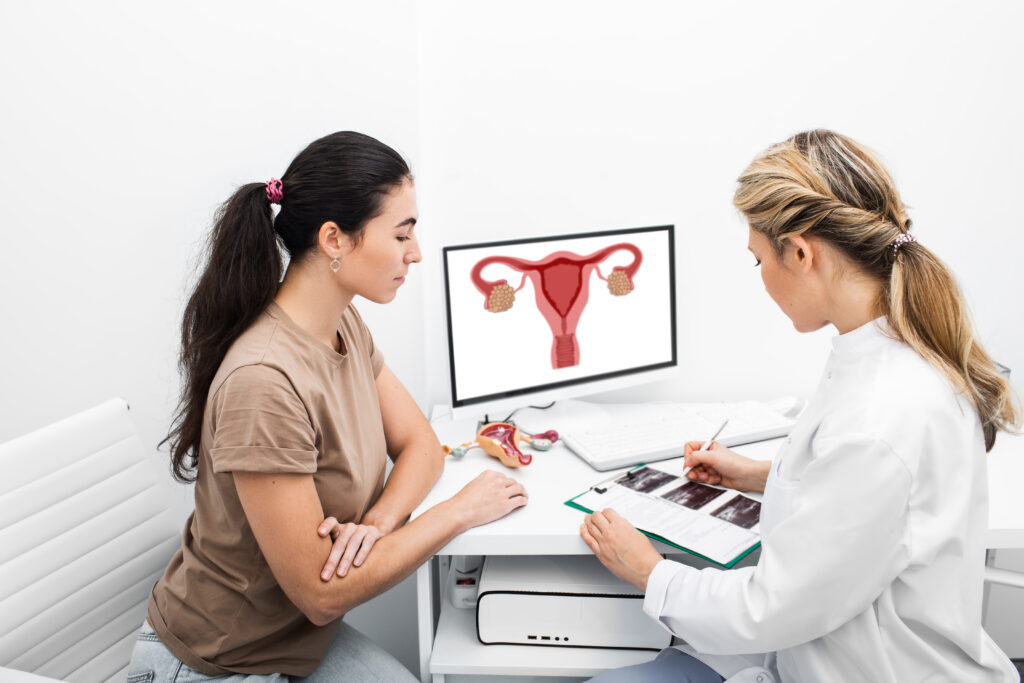
Hormonal health plays a vital role in a woman’s overall well-being. However, many women today experience irregular periods, unexplained weight gain, acne, or excessive hair growth without understanding the root cause. In many cases, these symptoms may be linked to PCOD (Polycystic Ovarian Disease).
PCOD is a common hormonal condition that affects women of reproductive age. Early detection through proper screening can help manage symptoms effectively and prevent long-term health complications. That’s where PCOD screening packages become extremely important. These packages include a combination of essential hormone tests that help doctors diagnose the condition accurately.
Let’s explore what PCOD screening is, why it matters, and the key tests included in a typical screening package.
What Is PCOD Screening?
PCOD screening is a set of laboratory tests designed to evaluate hormone levels and identify imbalances related to ovarian health. These tests help doctors understand how the body’s endocrine system is functioning and whether the symptoms are linked to PCOD or another hormonal condition.
Because PCOD symptoms can vary from person to person, a comprehensive screening package provides a clearer picture of hormonal health rather than relying on a single test.
Why Early PCOD Diagnosis Is Important
Detecting PCOD early can make a significant difference in managing the condition. Without proper diagnosis and treatment, PCOD may lead to complications such as infertility, insulin resistance, and metabolic disorders.
Some key benefits of early screening include:
- Accurate diagnosis of hormonal imbalance
- Early treatment to regulate menstrual cycles
- Better management of symptoms like acne and hair fall
- Reduced risk of long-term health issues
- Improved reproductive health and fertility planning
Therefore, women experiencing symptoms should consider undergoing a PCOD screening test as soon as possible.
Essential Tests Included in PCOD Screening Packages
PCOD screening packages usually combine several hormone tests to provide a detailed analysis of the body’s hormonal balance. Below are some of the most important tests included in these packages.
1. 17-Hydroxy Progesterone Test
The 17-Hydroxy Progesterone test measures the level of a hormone produced by the adrenal glands and ovaries. Abnormal levels may indicate hormonal disorders that can mimic or contribute to PCOD symptoms.
Doctors use this test to rule out certain conditions related to adrenal hormone production and to better understand hormonal irregularities.
2. DHEAS Test (Dehydroepiandrosterone Sulphate)
The DHEAS test measures androgen levels, which are often elevated in women with PCOD. High androgen levels can lead to symptoms such as:
- Excess facial or body hair
- Acne
- Irregular menstrual cycles
This test helps doctors evaluate whether androgen imbalance is contributing to the symptoms.
3. FSH, LH & Prolactin Test
These three hormones play a critical role in regulating the menstrual cycle and reproductive health.
- FSH (Follicle Stimulating Hormone): Helps control the menstrual cycle and egg production.
- LH (Luteinizing Hormone): Triggers ovulation and supports reproductive function.
- Prolactin: High levels may cause irregular periods or fertility problems.
The FSH, LH & Prolactin test is essential in identifying ovulation issues and hormonal imbalances linked to PCOD.4. Thyroid Profile (T3, T4, TSH)
Many symptoms of thyroid disorders overlap with PCOD symptoms, including irregular periods, hair fall, and weight gain. A Thyroid Profile test helps rule out thyroid problems that might be affecting hormonal balance.
Testing thyroid hormones ensures that doctors can provide the correct diagnosis and treatment plan.
5. Comprehensive PCOD Profile Packages
PCOD Screening Test packages combine multiple hormone tests to give a complete assessment of reproductive and hormonal health.
A comprehensive profile helps doctors:
- Identify the underlying hormonal imbalance
- Confirm the presence of PCOD
- Develop a personalized treatment strategy
Symptoms That Indicate You May Need PCOD Screening
Women should consider PCOD screening if they experience symptoms such as:
- Irregular or missed periods
- Excess facial or body hair growth
- Persistent acne
- Hair thinning or hair fall
- Difficulty in conceiving
- Sudden weight gain
If any of these symptoms appear, consulting a doctor and undergoing screening can help detect the issue early.
How Often Should You Get PCOD Screening?
Women who have been diagnosed with PCOD or who are at risk may need periodic testing to monitor hormone levels and track treatment progress. Regular health checkups also help in managing symptoms effectively and maintaining long-term reproductive health.
Final Thoughts
PCOD is a manageable condition when detected early. The right combination of hormone tests can provide valuable insights into a woman’s reproductive and hormonal health.
PCOD screening packages make it easier to detect hormonal imbalances, confirm diagnosis, and begin treatment at the right time. If you are experiencing symptoms related to hormonal imbalance, scheduling a screening test can be the first step toward better health and well-being.