loader image

DK Diagnostics

Blog

Your blog category

Blood Test Lab in Hyderabad with Home Collection

What Is a Haemoglobin Test? Understanding Its Importance for Your Health

When it comes to your health, there are many factors that you need to take care of, and one of them is blood tests. Among all these tests, Haemoglobin Test is one of the most recommended tests that you need to take to ensure your health. This test can help your doctor understand how your blood is carrying oxygen to your body. Diagnostic centers such as DK Diagnostics provide you with accurate haemoglobin testing, which is essential to ensure your health. What Is a Haemoglobin Test? Haemoglobin Test is a test that measures your haemoglobin levels. Haemoglobin is a substance present in your red blood cells, which is responsible for carrying oxygen to your body and carbon dioxide back to your lungs. When your haemoglobin levels are normal, your body is getting enough oxygen to function properly. But if your levels are low or high, then there is something wrong with your body. Why Is Haemoglobin Important? Haemoglobin is one of those factors that keeps your body energized and running properly. Haemoglobin is responsible for providing your body’s organs with enough oxygen to function properly. In case the haemoglobin levels are low in the body, you may not be getting sufficient oxygen in the body, leading to fatigue and weakness. On the contrary, high haemoglobin levels may also be an indication of certain medical problems. What Does the Test Detect? The haemoglobin test is used to detect and monitor certain blood-related problems. Low haemoglobin levels are normally related to Anemia, a medical condition in which the human body lacks sufficient healthy red blood cells. The test is also used to monitor overall health. Nutritional problems such as iron, vitamin B12, and folic acid deficiency may also lead to low haemoglobin levels. Certain chronic problems may also affect haemoglobin levels. Symptoms That May Require a Haemoglobin Test In certain cases, doctors may advise you to take a haemoglobin test if you are suffering from the following symptoms: These symptoms may be an indication of low haemoglobin levels or may be an indication of certain problems in the human body. How Is the Test Performed? The process of performing a haemoglobin test is simple and requires a small amount of blood to be drawn from your arm and then sent for testing. Benefits of the Haemoglobin Test Early DetectionThe test will help you detect your health issues at a very early stage.Simple and QuickThis is a simple and quick test that will provide you with important insights into your health.Preventive HealthcareThis test will help you monitor your health and prevent future complications. How to Maintain Healthy Haemoglobin Levels It is important that your haemoglobin levels are within a normal range for your overall well-being. Here are some simple tips that will help you maintain your haemoglobin levels: Conclusion The haemoglobin test is a simple yet powerful tool that provides important insights into your health. By measuring the oxygen-carrying capacity of your blood, it helps detect conditions like anemia and nutritional deficiencies early. Regular health checkups that include haemoglobin testing can help you stay informed about your health and take preventive measures when needed. If you are experiencing symptoms like fatigue or weakness, getting tested can be the first step toward better health and well-being.

What Is a Haemoglobin Test? Understanding Its Importance for Your Health Read More »

Best Diagnostic Lab in Hyderabad

ESR Blood Test Explained: Why Doctors Recommend It

When doctors want to determine whether there is any inflammation in the body, one of the easiest and most commonly suggested tests is the Erythrocyte Sedimentation Rate (ESR) blood test. While the name of the test may seem complex, the test itself is quite simple and can give you a good idea of what is happening in your body. The ESR test is used by doctors to determine inflammation that may be associated with infections, autoimmune disorders, or other diseases. This test is offered by diagnostic laboratories such as DK Diagnostics when patients experience certain symptoms or as a part of routine health screening. Learning more about why doctors suggest the ESR test can help you become more proactive about your health. What is an ESR Blood Test? The Erythrocyte Sedimentation Rate (ESR) Test is a measure of how quickly red blood cells fall to the bottom of a test tube in a given time period. Normally, red blood cells tend to settle slowly. However, in case of inflammation in the body, some proteins cause red blood cells to clump and settle faster. If the ESR is higher, this may indicate that inflammation may be present in the body. It should, however, be noted that the ESR test does not diagnose a particular illness. Instead, the test helps doctors to identify whether there is inflammation in the body and whether further testing is needed. Why Doctors Recommend an ESR Test There are various reasons that make doctors recommend the ESR test to patients. Inflammation in the body is a normal occurrence. In fact, the body responds to injury or infection by developing inflammation. However, inflammation in the body may indicate that something is wrong. The ESR test helps doctors to identify whether inflammation is in the body. There are some infections that may cause the ESR to increase. Doctors may use this test to identify whether the body is infected. The ESR test can help doctors to monitor Rheumatoid Arthritis and Lupus. Changes in ESR can help doctors understand the progress of the illness. ESR results are not usually interpreted by doctors on their own. Doctors combine the results of the ESR test with other blood tests to get a better understanding of the patient’s condition. Symptoms That May Require an ESR Test Your doctor may ask you to undergo an ESR test if you have been experiencing the following symptoms: These symptoms may indicate that you have inflammation in your body. The ESR test will help your doctor determine whether further testing is required. How the ESR Test Is Performed The ESR test is a very simple and quick procedure. A healthcare provider will take a small sample of blood from a vein in your arm. The blood sample will then be taken to a laboratory where experts will measure the rate at which the red blood cells fall to the bottom of a test tube. The test only takes a few minutes, and you can go back to your normal activities right after the test. Understanding ESR Test Results The results of the ESR test are usually indicated in millimeters per hour. When the ESR level is high, it may be an indication of inflammation. However, it should be noted that this is influenced by different factors, including age, gender, and overall well-being. Benefits of the ESR Blood Test The ESR blood test has several benefits in relation to medical diagnosis. Simple and QuickThe test requires only a few drops of blood, which can be obtained quickly. Helpful Screening TestThe test can be used by medical practitioners to detect inflammation in the early stages, before it becomes severe. Helps in Early DiagnosisThe early detection of inflammation can be used by medical practitioners to direct their patients to further tests to remedy potential medical conditions. Conclusion The ESR blood test is a simple yet valuable diagnostic tool that helps doctors detect inflammation in the body. Although it does not diagnose a specific disease on its own, it provides important clues that guide further medical evaluation. If you are experiencing symptoms such as unexplained fever, fatigue, or joint pain, your doctor may recommend an ESR test to better understand what is happening in your body. Early detection and proper diagnosis are key steps toward maintaining long-term health and well-being.

ESR Blood Test Explained: Why Doctors Recommend It Read More »

Anemia Profile Test

DK Anemia Profile Test: Identify the Root Cause of Fatigue and Weakness

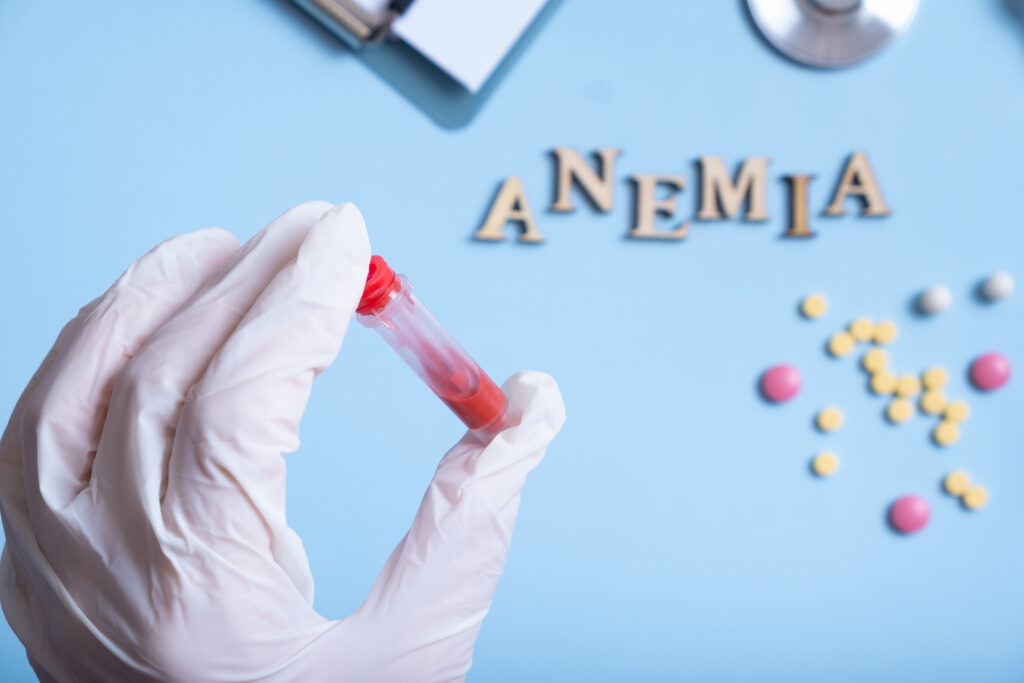
However, always feeling tired even after getting enough rest can be frustrating. Many people suffer from constant fatigue, weakness, or dizziness but are not aware of the actual reason for their condition. In many cases, the condition may be related to anemia, a condition where the body lacks enough healthy red blood cells to transport oxygen. The DK Anemia Profile Test is meant to detect the actual reason for anemia. Using the test results, doctors can understand what is actually affecting your blood condition. Using the diagnostic test facility at DK Diagnostics, individuals can now detect anemia and take the first step towards a healthy lifestyle. What is Anemia? Anemia is one of the common conditions found in people who suffer from a lack of healthy red blood cells or hemoglobin. Hemoglobin is the element responsible for transporting oxygen to the rest of the body from the lungs. A reduction in the supply of oxygen can lead to many other symptoms like tiredness or weakness. One of the most common causes of anemia is Iron Deficiency Anemia, which occurs due to a lack of iron to produce hemoglobin.However, anemia can affect anyone at any age. Nevertheless, anemia is more common in women, children, and the elderly. What Is the DK Anemia Profile Test? The DK Anemia Profile Test is a comprehensive blood test that can help identify the different causes of anemia. Instead of relying on a single test for identifying anemia, the DK Anemia Profile Test comprises a number of parameters that can help get a comprehensive view of the health of the blood. Once the results from these tests are analyzed, doctors can get a clear idea about whether anemia is caused by iron deficiency, vitamin deficiency, or other health conditions. Common Symptoms of Anemia It is very likely that a person is not aware that he/she is suffering from anemia since the symptoms tend to appear over a period of time. Nevertheless, some of the common symptoms that can help identify anemia in a person include: It is very likely that a person is suffering from anemia if he/she is experiencing these symptoms. Why the DK Anemia Profile Test Is Important The importance of the early detection of anemia lies in the prevention of the complications associated with the condition. The DK Anemia Profile test enables a better understanding of the health of the blood. Accurate Diagnosis The test aids in the identification of the actual cause of anemia. This enables the doctor to provide the best possible solution to the patient. Early Detection The early detection of anemia ensures that the condition does not worsen to an extent where it impacts the patient’s daily life. Better Treatment Planning After the actual cause of anemia is identified, the doctor can suggest the necessary steps to be taken to achieve the desired blood levels. Who Should Consider This Test? The DK Anemia Profile test may be suggested to those patients who: How Early Testing Helps Improve Health There are many individuals who do not take the early symptoms of anemia too seriously, believing that the fatigue is due to stress or a busy lifestyle. However, not treating the underlying cause of the fatigue can lead to a number of problems with energy levels, concentration, and quality of life. Conclusion Fatigue and weakness are not issues that should ever be taken for granted, as they can often point to a number of underlying health problems, including the presence of anemia. The DK Anemia Profile Test can identify the underlying cause of the anemia, which can then be treated with the most effective treatment plan as recommended by the doctor. Taking a proactive approach to health can often lead to a much more healthy and active lifestyle.

DK Anemia Profile Test: Identify the Root Cause of Fatigue and Weakness Read More »

Complete Blood Picture Test

Complete Blood Picture Test: A Simple Blood Test That Reveals Important Health Insights

A simple blood test can often provide valuable insights into your overall health. One of the most commonly recommended diagnostic tests is the Complete Blood Picture (CBP) test. Doctors frequently use this test to assess general health and detect a wide range of medical conditions at an early stage. The CBP test evaluates different components of your blood, including red blood cells, white blood cells, and platelets. By analyzing these elements, healthcare professionals can identify potential health issues and recommend the right treatment if necessary. Diagnostic centers like DK Diagnostics offer reliable CBP testing to help patients monitor their health and detect medical problems early. What Is a Complete Blood Picture (CBP) Test? A Complete Blood Picture (CBP) is a laboratory test that measures several important components of the blood. It provides detailed information about the cells circulating in your bloodstream and helps doctors understand how well your body is functioning. This test is often part of routine health checkups and is also recommended when someone shows symptoms such as fatigue, weakness, infections, or unexplained fever. What Does the CBP Test Measure? The CBP test evaluates several key blood components that play essential roles in maintaining good health. 1. Red Blood Cells (RBC) Red blood cells carry oxygen from the lungs to different parts of the body. A low RBC count may indicate Anemia, while higher levels may suggest other health conditions. Monitoring RBC levels helps doctors understand whether the body is receiving enough oxygen. 2. White Blood Cells (WBC) White blood cells help the body fight infections and support the immune system. Changes in WBC count can indicate infections, inflammation, or immune-related disorders. 3. Platelets Platelets are responsible for blood clotting. If platelet levels are too low, the body may have difficulty stopping bleeding after injuries. On the other hand, unusually high platelet levels may also signal underlying medical issues. Why Doctors Recommend a CBP Test The Complete Blood Picture test is widely used because it provides important health information quickly and effectively. Doctors often recommend this test for several reasons: Early Detection of Health Problems A CBP test can help detect conditions such as anemia, infections, inflammation, and other blood-related disorders before they become severe. Monitoring Overall Health Many doctors include CBP tests as part of routine health checkups to ensure that the body’s systems are functioning properly. Tracking Medical Treatments Patients undergoing treatment for certain conditions may need regular CBP tests to monitor how their body responds to medications. Symptoms That May Require a CBP Test Your doctor may suggest a CBP test if you experience symptoms such as: These symptoms may indicate underlying health problems that require further investigation. Benefits of a Complete Blood Picture Test The CBP test offers several advantages for both patients and healthcare providers. Quick and Simple The test requires only a small blood sample and can usually be completed quickly. Early Diagnosis It helps detect many health conditions early, allowing doctors to begin treatment promptly. Comprehensive Health Insight A CBP test provides valuable information about multiple aspects of blood health in a single test. Importance of Regular Blood Testing Regular blood tests play an important role in preventive healthcare. Even if you feel healthy, periodic screening can help identify hidden health problems before symptoms appear. By monitoring key health indicators through tests like the CBP, individuals can take proactive steps to maintain long-term well-being. Conclusion The Complete Blood Picture (CBP) test is a simple yet powerful diagnostic tool that provides valuable insights into your health. By examining important blood components such as red blood cells, white blood cells, and platelets, this test helps doctors detect infections, anemia, and other health conditions early. Including CBP testing as part of routine health checkups can help ensure that potential health issues are identified and managed in time. Taking a proactive approach to health through regular testing is an important step toward maintaining a healthy and balanced life.

Complete Blood Picture Test: A Simple Blood Test That Reveals Important Health Insights Read More »

Allergy Drug Panel Test

Allergy Drug Panel Test: Detect Medication Allergies Before They Harm You

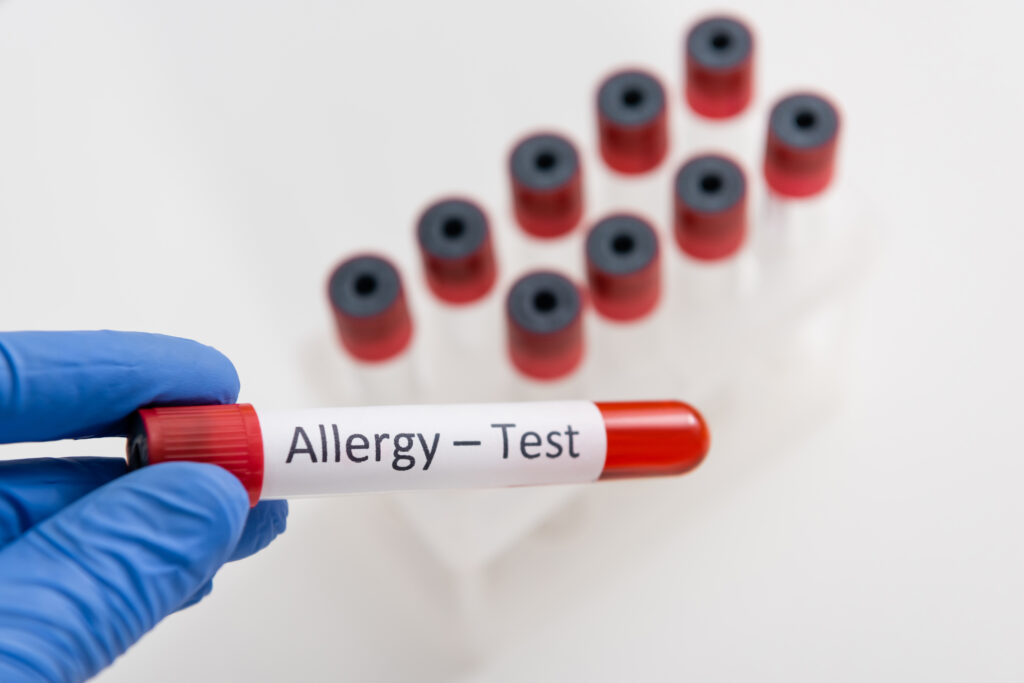
Medications help treat illnesses and improve health, but for some people, certain drugs can trigger allergic reactions. These reactions can range from mild skin irritation to severe health complications. This is why identifying potential drug allergies early is extremely important. An Allergy Drug Panel Test helps detect whether your body reacts negatively to specific medications. By identifying allergies in advance, doctors can avoid prescribing drugs that may cause harmful reactions and instead choose safer treatment options. Healthcare providers such as DK Diagnostics offer allergy drug panel testing to help patients stay safe while receiving medical treatment. What Is a Drug Allergy? A drug allergy occurs when the body’s immune system reacts abnormally to a medication. Instead of recognizing the drug as helpful, the immune system treats it as a harmful substance and triggers an allergic reaction. These reactions can happen shortly after taking the medication or sometimes after repeated use. Common Symptoms of Drug Allergies Drug allergies can present different symptoms depending on how the body reacts. Some of the most common symptoms include: In rare cases, a serious reaction called Anaphylaxis may occur. This is a medical emergency that requires immediate treatment. What Is an Allergy Drug Panel Test? An Allergy Drug Panel Test is a diagnostic screening that helps detect sensitivity or allergic reactions to certain medications. The test usually involves analyzing blood samples to identify immune responses that indicate a drug allergy. By understanding how your body reacts to specific drugs, doctors can create a safer treatment plan for you. Why This Test Is Important Many people may not realize they have a drug allergy until they experience a reaction. Taking an allergy drug panel test offers several benefits: 1. Prevents Serious Reactions Identifying allergies before taking medications helps avoid dangerous reactions. 2. Ensures Safe Treatment Doctors can select medications that are safe for your body. 3. Supports Accurate Diagnosis Testing helps confirm whether symptoms are caused by drug allergies or other conditions. 4. Improves Medical Care When doctors know your allergy history, they can provide better and safer treatment. Who Should Consider an Allergy Drug Panel Test? This test may be recommended for people who: It can be especially useful before starting certain treatments that involve multiple medications. How the Test Helps Doctors The results of an allergy drug panel test provide valuable information about how your immune system reacts to medications. Doctors use this information to: This approach helps reduce the risk of complications and ensures patient safety. Importance of Early Detection Drug allergies can sometimes be unpredictable, and reactions may worsen with repeated exposure. Early detection allows healthcare providers to manage potential risks before they become serious. With proper testing and medical guidance, patients can confidently take medications that are safe for their bodies. Conclusion Medications play an essential role in treating diseases, but drug allergies can pose serious health risks if they go unnoticed. An Allergy Drug Panel Test helps detect potential medication allergies early, allowing doctors to choose the safest treatment options. By identifying drug sensitivities in advance, patients can avoid harmful reactions and receive effective care with confidence. If you have experienced medication-related symptoms or want to ensure safe treatment, diagnostic testing can be an important step toward protecting your health.

Allergy Drug Panel Test: Detect Medication Allergies Before They Harm You Read More »

Hair fall blood test

Hair Fall Problems? Important Blood Tests You Should Not Ignore

Hair fall is a common concern for both men and women today. While losing a few strands of hair every day is normal, excessive hair fall can be frustrating and may indicate an underlying health problem. Many people try different shampoos, oils, and home remedies to stop hair loss, but sometimes the real cause lies within the body. In many cases, hair fall is linked to nutritional deficiencies, hormonal imbalances, or certain medical conditions. This is why doctors often recommend specific blood tests to identify the root cause of hair loss and provide the right treatment. Understanding the important blood tests for hair fall can help you take the right steps toward healthier and stronger hair. Why Hair Fall Happens Hair loss can occur for several reasons. Stress, poor nutrition, hormonal changes, and certain health conditions can all affect hair growth. When the body lacks essential nutrients or hormones become imbalanced, the hair follicles may weaken, leading to excessive hair shedding. Instead of guessing the cause, diagnostic blood tests help identify the exact issue so it can be treated effectively. 1. Thyroid Profile Test (T3, T4, TSH) The thyroid gland plays an important role in regulating metabolism and many bodily functions, including hair growth. When thyroid hormone levels are either too high or too low, it can lead to hair thinning or hair loss. A Thyroid Profile test, which measures T3, T4, and TSH levels, helps doctors determine whether thyroid imbalance is contributing to hair fall. If a thyroid issue is detected early, proper treatment can help restore normal hair growth. 2. Vitamin B12 Test Vitamin B12 is essential for healthy blood cells and proper oxygen supply to the scalp. When the body lacks Vitamin B12, hair follicles may become weak, leading to hair thinning and slow hair growth. A Vitamin B12 blood test helps identify deficiency levels in the body. Once diagnosed, doctors may recommend dietary changes, supplements, or treatment to improve hair health. 3. Hair Fall Screening Packages Comprehensive hair fall diagnostic packages combine multiple tests to identify different causes of hair loss. These tests usually evaluate hormone levels, vitamin deficiencies, and other important health markers. A complete hair fall checkup can provide a clearer picture of what is affecting your hair growth and help doctors recommend the most suitable treatment plan. Signs That You Should Get Tested If you experience any of the following symptoms, it may be a good idea to consider medical testing: Identifying the underlying cause early can help prevent further hair loss and improve treatment outcomes. Benefits of Early Diagnosis Getting the right tests done offers several advantages. First, it helps detect nutritional deficiencies or hormonal problems early. Second, it prevents unnecessary spending on products that may not solve the problem. Most importantly, it allows doctors to recommend targeted treatments based on the actual cause of hair fall. When the root cause is addressed, hair health can gradually improve. Tips to Maintain Healthy Hair Along with medical testing, maintaining healthy lifestyle habits can also support hair growth. Healthy hair often reflects overall health, so taking care of your body plays a major role in maintaining strong and shiny hair. Conclusion Hair fall can be distressing, but understanding its root cause is the first step toward effective treatment. Instead of relying only on cosmetic solutions, diagnostic blood tests can help identify underlying issues such as thyroid imbalance or vitamin deficiencies. Tests like the thyroid profile and Vitamin B12 screening provide valuable insights into your health and help doctors recommend the right treatment. If you are experiencing persistent hair fall, getting the appropriate Hair Fall Blood Tests done can help you take control of the problem and move closer to healthier, stronger hair.

Hair Fall Problems? Important Blood Tests You Should Not Ignore Read More »

Diabetes

Essential Diabetes Tests Everyone Should Know

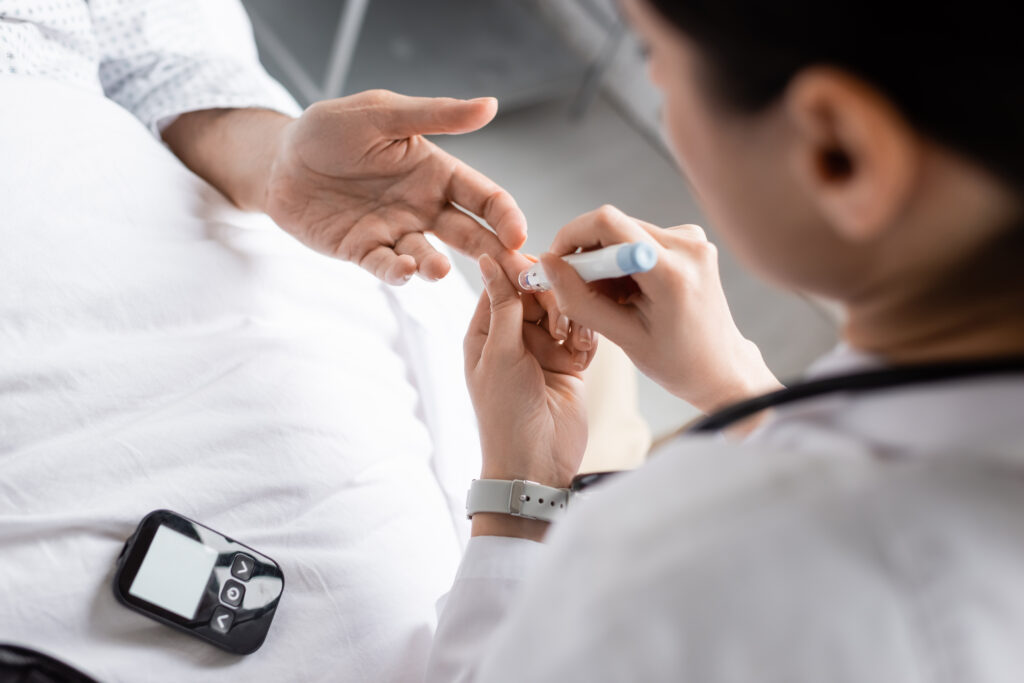
Diabetes is one of the most common health conditions affecting millions of people worldwide. What makes it concerning is that many individuals may have diabetes without realizing it. In the early stages, symptoms are often mild or may go unnoticed. That’s why regular diabetes testing plays an important role in protecting your health. Diagnostic tests help detect diabetes early, monitor blood sugar levels, and prevent serious complications. Understanding the essential diabetes tests can help you stay informed and take better control of your health. Why Diabetes Testing Is Important Diabetes occurs when the body cannot properly regulate blood sugar levels. If left unmanaged, high blood sugar can damage important organs such as the heart, kidneys, eyes, and nerves. Regular testing helps to: Routine screening is especially important for people with a family history of diabetes, obesity, or sedentary lifestyles. 1. Fasting Blood Glucose Test (FBS) The Fasting Blood Glucose test measures blood sugar levels after fasting for at least 8–10 hours. It is one of the most common tests used to detect diabetes and prediabetes. A high fasting blood sugar level may indicate that the body is not producing enough insulin or is unable to use insulin effectively. Doctors often recommend this test as a first step in diabetes diagnosis. 2. Post Lunch Blood Glucose Test (PLBS) The Post Lunch Blood Sugar test measures blood glucose levels after a meal, usually two hours after eating. This test helps doctors understand how the body processes sugar after food intake. Elevated post-meal blood sugar levels can indicate poor glucose control and may signal the presence of diabetes. 3. HbA1c (Glycated Hemoglobin) Test The HbA1c test is one of the most important tests for diagnosing and monitoring diabetes. Unlike other tests that measure blood sugar at a specific moment, this test shows the average blood sugar levels over the past two to three months. This makes it extremely useful for evaluating long-term blood sugar control. Doctors often use HbA1c results to adjust treatment plans for diabetes patients. 4. Fasting Insulin Test The Fasting Insulin test measures the amount of insulin in the blood after fasting. This test helps determine how effectively the body is producing insulin and whether insulin resistance is present. Insulin resistance is a common condition that can lead to type 2 diabetes if not managed properly. Detecting insulin resistance early allows individuals to make lifestyle changes that may help prevent diabetes. 5. Urine Glucose Test Urine glucose tests detect the presence of sugar in the urine. Normally, urine should not contain glucose. However, when blood sugar levels are very high, excess glucose may pass into the urine. This test helps identify uncontrolled diabetes and can be used as an additional screening method. Who Should Get Tested for Diabetes? Regular diabetes screening is recommended for individuals who: Even if you feel healthy, routine testing helps ensure your blood sugar levels remain within a safe range. Benefits of Regular Diabetes Screening Taking diabetes tests regularly offers several benefits: Preventive health checkups make it easier to manage potential health risks before they become serious. Conclusion Diabetes is a manageable condition when detected early. Understanding the essential diabetes tests and getting screened regularly can make a significant difference in maintaining long-term health. Tests such as fasting blood sugar, post-meal glucose, HbA1c, insulin levels, and urine glucose provide valuable insights into how your body processes sugar. By staying proactive and monitoring your health through regular diagnostic tests, you can take control of your blood sugar levels and lead a healthier life.

Essential Diabetes Tests Everyone Should Know Read More »

PCOD Screening

PCOD Screening Packages: Essential Tests for Accurate Diagnosis

Hormonal health plays a vital role in a woman’s overall well-being. However, many women today experience irregular periods, unexplained weight gain, acne, or excessive hair growth without understanding the root cause. In many cases, these symptoms may be linked to PCOD (Polycystic Ovarian Disease). PCOD is a common hormonal condition that affects women of reproductive age. Early detection through proper screening can help manage symptoms effectively and prevent long-term health complications. That’s where PCOD screening packages become extremely important. These packages include a combination of essential hormone tests that help doctors diagnose the condition accurately. Let’s explore what PCOD screening is, why it matters, and the key tests included in a typical screening package. What Is PCOD Screening? PCOD screening is a set of laboratory tests designed to evaluate hormone levels and identify imbalances related to ovarian health. These tests help doctors understand how the body’s endocrine system is functioning and whether the symptoms are linked to PCOD or another hormonal condition. Because PCOD symptoms can vary from person to person, a comprehensive screening package provides a clearer picture of hormonal health rather than relying on a single test. Why Early PCOD Diagnosis Is Important Detecting PCOD early can make a significant difference in managing the condition. Without proper diagnosis and treatment, PCOD may lead to complications such as infertility, insulin resistance, and metabolic disorders. Some key benefits of early screening include: Therefore, women experiencing symptoms should consider undergoing a PCOD screening test as soon as possible. Essential Tests Included in PCOD Screening Packages PCOD screening packages usually combine several hormone tests to provide a detailed analysis of the body’s hormonal balance. Below are some of the most important tests included in these packages. 1. 17-Hydroxy Progesterone Test The 17-Hydroxy Progesterone test measures the level of a hormone produced by the adrenal glands and ovaries. Abnormal levels may indicate hormonal disorders that can mimic or contribute to PCOD symptoms. Doctors use this test to rule out certain conditions related to adrenal hormone production and to better understand hormonal irregularities. 2. DHEAS Test (Dehydroepiandrosterone Sulphate) The DHEAS test measures androgen levels, which are often elevated in women with PCOD. High androgen levels can lead to symptoms such as: This test helps doctors evaluate whether androgen imbalance is contributing to the symptoms. 3. FSH, LH & Prolactin Test These three hormones play a critical role in regulating the menstrual cycle and reproductive health. The FSH, LH & Prolactin test is essential in identifying ovulation issues and hormonal imbalances linked to PCOD.4. Thyroid Profile (T3, T4, TSH) Many symptoms of thyroid disorders overlap with PCOD symptoms, including irregular periods, hair fall, and weight gain. A Thyroid Profile test helps rule out thyroid problems that might be affecting hormonal balance. Testing thyroid hormones ensures that doctors can provide the correct diagnosis and treatment plan. 5. Comprehensive PCOD Profile Packages PCOD Screening Test packages combine multiple hormone tests to give a complete assessment of reproductive and hormonal health. A comprehensive profile helps doctors: Symptoms That Indicate You May Need PCOD Screening Women should consider PCOD screening if they experience symptoms such as: If any of these symptoms appear, consulting a doctor and undergoing screening can help detect the issue early. How Often Should You Get PCOD Screening? Women who have been diagnosed with PCOD or who are at risk may need periodic testing to monitor hormone levels and track treatment progress. Regular health checkups also help in managing symptoms effectively and maintaining long-term reproductive health. Final Thoughts PCOD is a manageable condition when detected early. The right combination of hormone tests can provide valuable insights into a woman’s reproductive and hormonal health. PCOD screening packages make it easier to detect hormonal imbalances, confirm diagnosis, and begin treatment at the right time. If you are experiencing symptoms related to hormonal imbalance, scheduling a screening test can be the first step toward better health and well-being.

PCOD Screening Packages: Essential Tests for Accurate Diagnosis Read More »

Full body checkup for senior citizens

Full Body Checkup for Senior Citizens: What’s Included?

As we grow older, our body needs more care and attention. After the age of 60, the risk of lifestyle diseases and age-related health conditions increases significantly. Many illnesses develop silently without noticeable symptoms. That’s why a full body checkup for senior citizens becomes essential. Regular preventive health screening helps detect problems early, manage chronic conditions, and ensure a better quality of life for elderly individuals. Let’s understand what is included in a full body checkup for senior citizens and why it is so important. Why Senior Citizens Need Regular Full Body Checkups With aging, immunity weakens and the body becomes more vulnerable to conditions like diabetes, heart disease, arthritis, kidney problems, and vitamin deficiencies. A comprehensive health checkup helps: Prevention is always better and more affordable than emergency treatment. What’s Included in a Full Body Checkup for Senior Citizens? A senior citizen health package typically includes a wide range of tests to monitor major organs and vital health parameters. 1. Complete Blood Count (CBC) This test checks overall health and detects infections, anemia, and blood disorders. 2. Blood Sugar Tests These tests help detect diabetes and monitor blood sugar control. 3. Lipid Profile (Cholesterol Test) Measures cholesterol and triglyceride levels to assess heart health and risk of cardiovascular disease. 4. Liver Function Test (LFT) Evaluates how well the liver is working and detects liver damage or fatty liver disease. 5. Kidney Function Test (KFT) Checks kidney performance and identifies early signs of kidney problems. 6. Thyroid Function Test Thyroid disorders are common in elderly individuals and can cause fatigue, weight changes, and mood swings. 7. Vitamin and Mineral Tests Deficiencies are common in seniors and may lead to weakness, bone pain, and fatigue. 8. Heart-Related Tests These tests help detect early signs of heart disease. 9. Arthritis & Bone Health Tests Tests like Anti-CCP and calcium levels help evaluate joint health and detect rheumatoid arthritis or bone weakness. 10. Cancer Screening (As Recommended) Certain screenings like PSA (for men) or other tumor markers may be advised based on age and risk factors. Benefits of a Full Body Checkup for Seniors ✔ Early detection of serious diseases✔ Better management of chronic conditions✔ Reduced hospital visits✔ Improved mobility and energy levels✔ Increased lifespan and better quality of life Routine monitoring allows doctors to adjust medications and suggest lifestyle changes as needed. How Often Should Senior Citizens Get Tested? Most doctors recommend a comprehensive health checkup once a year. However, seniors with diabetes, heart disease, or other chronic conditions may need more frequent monitoring. Consulting a healthcare provider can help determine the right frequency. Home Sample Collection: A Convenient Option For many elderly individuals, traveling to a diagnostic center can be difficult. Home sample collection services make it easy and comfortable to get tested without leaving home. This ensures regular monitoring without inconvenience. Conclusion A full body checkup for senior citizens is not just a medical formality — it is an essential step toward healthy aging. Regular screening helps detect silent health issues, manage existing conditions, and prevent serious complications. Caring for senior family members includes ensuring they undergo timely preventive health checkups. Early diagnosis and consistent monitoring can significantly improve their quality of life. Investing in preventive healthcare today can ensure a healthier tomorrow.

Full Body Checkup for Senior Citizens: What’s Included? Read More »

Benefits of Getting a Full Body Health Checkup

In today’s busy lifestyle, most people visit a doctor only when they feel sick. But many serious health conditions develop silently without noticeable symptoms. A full body health checkup helps detect potential health problems early — before they become serious. Think of it as a health investment. Just like you service your car regularly to avoid breakdowns, your body also needs routine monitoring to stay healthy and strong. Let’s explore the key benefits of getting a full body health checkup. 1. Early Detection of Diseases One of the biggest benefits of a full body checkup is early detection. Conditions like diabetes, thyroid disorders, high cholesterol, liver issues, and kidney problems often show no symptoms in the early stages. Regular screening helps identify these issues early, making treatment easier, faster, and more affordable. 2. Prevents Serious Health Complications Many lifestyle diseases, if ignored, can lead to serious complications such as heart disease, stroke, or organ damage. A full body health checkup monitors vital parameters like: Timely intervention can prevent long-term damage and improve overall health outcomes. 3. Saves Money in the Long Run Preventive healthcare is always more affordable than emergency treatment. Detecting a condition early reduces hospital visits, expensive procedures, and long-term medication costs. A small investment in a yearly health checkup can save significant medical expenses in the future. 4. Provides Peace of Mind Health anxiety is common, especially when you feel unexplained fatigue, weight changes, or stress. A comprehensive health checkup gives clarity about your health status. Knowing that your health parameters are within normal range brings confidence and peace of mind.5. Helps You Track Your Health Over Time Regular checkups allow you to compare results year after year. This helps in tracking improvements or identifying gradual changes in your body. Monitoring trends in blood sugar, cholesterol, or vitamin levels helps you make informed lifestyle adjustments. 6. Encourages a Healthier Lifestyle Seeing your test results often motivates positive changes. If reports show borderline cholesterol or vitamin deficiency, you are more likely to: A full body checkup acts as a wake-up call toward better health.7. Customized Health Planning Doctors use your diagnostic reports to recommend personalized treatment plans or lifestyle modifications. Whether it’s managing weight, controlling blood sugar, or balancing hormones, health reports provide valuable guidance. 8. Essential After Age 30 After the age of 30, the risk of lifestyle diseases gradually increases. Stress, work pressure, poor eating habits, and lack of exercise can silently affect your body. Annual full body checkups become especially important to maintain long-term wellness. Who Should Get a Full Body Health Checkup? You should consider booking a full body checkup if you: Even healthy individuals should undergo preventive screening once a year. Conclusion A full body health checkup is not just a medical test — it is a proactive step toward a healthier future. Early detection, prevention of complications, financial savings, and peace of mind are some of the major benefits. Your health is your most valuable asset. Regular preventive screening ensures that you stay ahead of potential health risks and live a longer, healthier life. Taking action today can protect your tomorrow.

Benefits of Getting a Full Body Health Checkup Read More »

Shopping Cart