
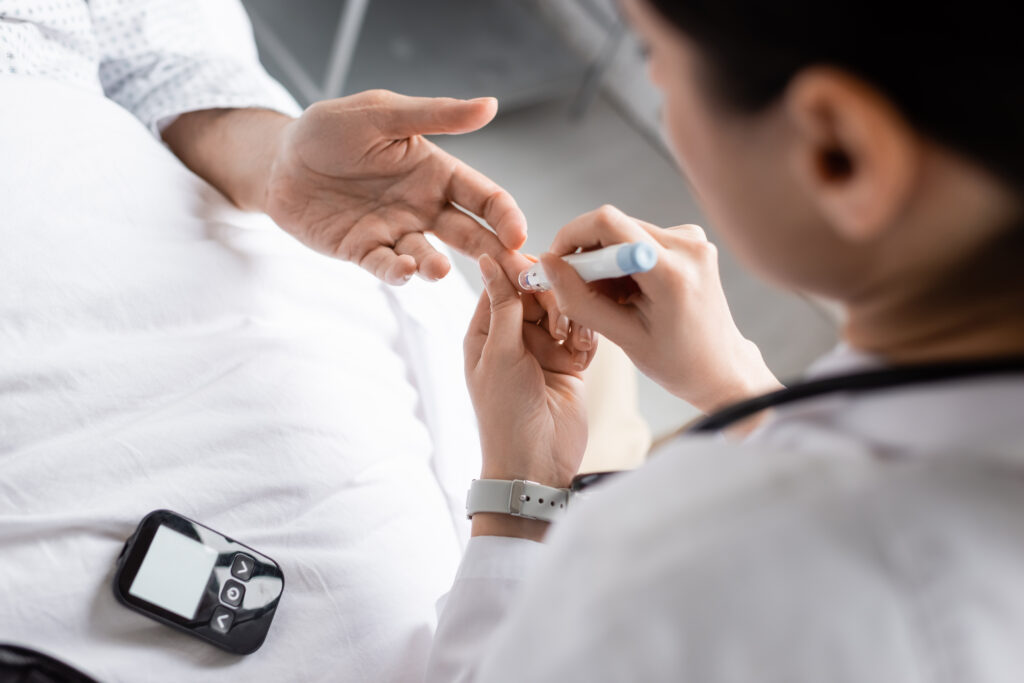
Diabetes is one of the most common health conditions affecting millions of people worldwide. What makes it concerning is that many individuals may have diabetes without realizing it. In the early stages, symptoms are often mild or may go unnoticed. That’s why regular diabetes testing plays an important role in protecting your health.
Diagnostic tests help detect diabetes early, monitor blood sugar levels, and prevent serious complications. Understanding the essential diabetes tests can help you stay informed and take better control of your health.
Why Diabetes Testing Is Important
Diabetes occurs when the body cannot properly regulate blood sugar levels. If left unmanaged, high blood sugar can damage important organs such as the heart, kidneys, eyes, and nerves.
Regular testing helps to:
- Detect diabetes at an early stage
- Monitor blood sugar levels regularly
- Prevent long-term complications
- Guide doctors in choosing the right treatment
- Track how well diabetes management plans are working
Routine screening is especially important for people with a family history of diabetes, obesity, or sedentary lifestyles.
1. Fasting Blood Glucose Test (FBS)
The Fasting Blood Glucose test measures blood sugar levels after fasting for at least 8–10 hours. It is one of the most common tests used to detect diabetes and prediabetes.
A high fasting blood sugar level may indicate that the body is not producing enough insulin or is unable to use insulin effectively.
Doctors often recommend this test as a first step in diabetes diagnosis.
2. Post Lunch Blood Glucose Test (PLBS)
The Post Lunch Blood Sugar test measures blood glucose levels after a meal, usually two hours after eating.
This test helps doctors understand how the body processes sugar after food intake. Elevated post-meal blood sugar levels can indicate poor glucose control and may signal the presence of diabetes.
3. HbA1c (Glycated Hemoglobin) Test
The HbA1c test is one of the most important tests for diagnosing and monitoring diabetes. Unlike other tests that measure blood sugar at a specific moment, this test shows the average blood sugar levels over the past two to three months.
This makes it extremely useful for evaluating long-term blood sugar control.
Doctors often use HbA1c results to adjust treatment plans for diabetes patients.
4. Fasting Insulin Test
The Fasting Insulin test measures the amount of insulin in the blood after fasting. This test helps determine how effectively the body is producing insulin and whether insulin resistance is present.
Insulin resistance is a common condition that can lead to type 2 diabetes if not managed properly.
Detecting insulin resistance early allows individuals to make lifestyle changes that may help prevent diabetes.
5. Urine Glucose Test
Urine glucose tests detect the presence of sugar in the urine. Normally, urine should not contain glucose. However, when blood sugar levels are very high, excess glucose may pass into the urine.
This test helps identify uncontrolled diabetes and can be used as an additional screening method.
Who Should Get Tested for Diabetes?
Regular diabetes screening is recommended for individuals who:
- Are above 35 years of age
- Have a family history of diabetes
- Are overweight or obese
- Have high blood pressure
- Experience symptoms such as excessive thirst, frequent urination, or fatigue
Even if you feel healthy, routine testing helps ensure your blood sugar levels remain within a safe range.
Benefits of Regular Diabetes Screening
Taking diabetes tests regularly offers several benefits:
- Early detection of diabetes or prediabetes
- Better blood sugar management
- Reduced risk of heart disease and kidney problems
- Improved overall health and well-being
Preventive health checkups make it easier to manage potential health risks before they become serious.
Conclusion
Diabetes is a manageable condition when detected early. Understanding the essential diabetes tests and getting screened regularly can make a significant difference in maintaining long-term health.
Tests such as fasting blood sugar, post-meal glucose, HbA1c, insulin levels, and urine glucose provide valuable insights into how your body processes sugar.
By staying proactive and monitoring your health through regular diagnostic tests, you can take control of your blood sugar levels and lead a healthier life.